
Master Casino Games and Odds: The Definitive Guide to Smart Gambling
Casino gambling is the act of wagering money or valuables on games of chance, such as slots, blackjack, or roulette, with the primary goal of winning additional money or prizes. The core value lies in the immediate thrill of risk and the potential for substantial, instant rewards from each spin or dealt hand. Players typically exchange cash for chips or credits to place bets, with the house maintaining a statistical edge over time. Its enduring appeal stems from the unique blend of luck, skill in certain games, and the possibility of a life-changing payout from a single wager.
The Mathematics Behind Wagering
The mathematics behind wagering in casino gambling is built on the house edge, a built-in statistical advantage that ensures the casino profits over time. Every bet—whether on roulette, blackjack, or slots—has a negative expected value, meaning your average loss per wager is mathematically guaranteed. For instance, a double-zero roulette wheel gives the house a 5.26% edge, so you statistically lose $5.26 for every $100 bet.
This edge is not luck; it is a constant law of probability that cannot be outrun by short-term wins.
Variance creates thrilling streaks, but the math demands you understand that each spin or hand is an independent trial. Bankroll management, therefore, isn’t strategy—it’s survival against the relentless pull of the negative expectation.
House Edge: How the Odds Are Stacked
The mathematical advantage built into every casino game, known as the house edge, ensures long-term profit by paying winning bets at odds slightly lower than true probability dictates. In roulette, a single-zero wheel holds a 2.70% edge over the player, while the double-zero variant nearly doubles that to 5.26%. Blackjack’s edge can drop below 0.5% with perfect basic strategy, but side bets often carry a much steeper margin. Slot machines are opaque, typically programmed with edges ranging from 2% to 15% depending on the game and jurisdiction. Understanding this fixed percentage per wager is critical, as it directly dictates expected loss over time—the higher the edge, the faster your bankroll erodes.
| Game | House Edge (Typical Range) |
|---|---|
| Blackjack (basic strategy) | 0.5% – 1.0% |
| European Roulette | 2.70% |
| American Roulette | 5.26% |
| Slots | 2.0% – 15.0% |

Probability and Payout Structures Explained

In casino gambling, probability dictates the likelihood of each outcome, while payout structures convert that likelihood into potential returns. For example, a single-number bet in American roulette has a probability of 1/38, with a 35-to-1 payout—creating a house edge because the true odds are 37-to-1. Understanding the house edge requires comparing these two figures: the payout structures do not reflect true probability, ensuring the casino’s long-term advantage. Q: Why does a payout of 35-to-1 not match odds of 1/38? A: The casino shortens the payout relative to true odds, mathematically guaranteeing its profit over time.
Random Number Generators and Fair Play
Modern casino games rely on Random Number Generators (RNGs) to ensure each spin, card draw, or dice roll is independent and unpredictable. These algorithms produce sequences that pass statistical randomness tests, mimicking true chance. Certified RNGs are audited by third parties to confirm no pattern or bias exists. For players, fair play means the house edge is mathematically fixed, not manipulated in real time. The seed value and algorithm are frozen at game start, preventing retroactive interference.
RNGs guarantee each outcome is statistically independent and unpredictable, forming the mathematical bedrock of verifiable fairness in casino gambling.
Decoding Popular Table Games
To survive the casino floor, you must first decode popular table games by understanding their house edge. In blackjack, basic strategy charts dictate every hit or stand, reducing the casino’s mathematical advantage to under 1%. For roulette, recognize that double-zero wheels double the house edge to 5.26%, making single-zero versions a smarter wager. The pass line bet in craps carries a mere 1.41% house edge, but taking full odds behind it drops that to near zero. Meanwhile, baccarat demands you always bet on the banker, which wins 50.68% of hands versus the player’s 49.32%. Ignore side bets entirely—they spike the house edge to 10% or more. Master these decoding popular table games methods to transform random chance into calculated risk.

Blackjack Strategy Beyond Basic Tactics
Moving past basic strategy, advanced blackjack players employ strategic card counting variations to shift the odds in their favor. This involves tracking the ratio of high to low cards remaining, adjusting bet sizes accordingly without raising dealer suspicion. True mastery requires perfecting deviation indices, telling you when to hit or stand differently based on the precise count. Furthermore, shuffle tracking and ace sequencing allow skilled players to predict card clusters after a riffle, exploiting imperfections in manual shuffles. These tactics demand intense focus but offer a measurable edge over the house, turning a game of chance into a calculated, winnable endeavor.
Roulette Variations and Betting Systems
Roulette variations primarily divide into American and European wheels, with the latter offering a lower house edge due to a single zero. The Martingale progression is the most recognized betting system, where players double their wager after each loss to recover prior losses. However, table limits and bankroll constraints often render it ineffective against prolonged losing streaks. A more practical approach uses even-money bets in European Roulette to optimize risk. The Fibonacci sequence and D’Alembert systems offer slower progression alternatives but still fail to alter the game’s inherent odds. No system can overcome the house edge; they only manage betting patterns without changing probability outcomes.
Baccarat Rules and Banker Bet Myths
In Baccarat, you simply bet on which hand—Player or Banker—will total closest to nine, with face cards and tens counting as zero. A common myth is that the Banker bet is «rigged» because casinos take a 5% commission on wins, but this house edge actually makes it the statistically safest wager. Players often avoid the Banker due to superstition, not math, despite its lower risk over time. Banker bet myths persist around «patterns» or «streaks,» yet each hand is independent and random.
Baccarat’s core rule is predicting the higher hand value, and the Banker bet isn’t cursed—it’s simply the optimal choice with a slight house edge.
Slot Machines and Electronic Action
The electronic hum of a row of slot machines creates a distinct rhythm on the casino floor, a siren song of flashing lights and cascading symbols. You press a button, and the reels spin not mechanically, but as a digital animation, the outcome determined by a random number generator in a microsecond. The tactile immediacy of the «Spin» button replaces the old lever pull, making each round a swift, almost hypnotic action. A win triggers a celebratory symphony of chimes and screen animations, a digital reward loop designed to feel urgent. The pause between spins is the only moment the machine breathes, and you fill it with anticipation. This electronic action delivers a direct, high-speed feedback loop, pure gambling stripped to its reactive core—a silent contract between you and the algorithm with every press.
Volatility Levels and Return to Player Rates
Understanding volatility and RTP interplay is key to pacing your bankroll. Low volatility slots with high Return to Player (RTP) rates deliver frequent, small wins, making them ideal for extended play. Conversely, high volatility machines often compensate with slightly lower RTP percentages, risking longer dry spells for the chance of massive, life-changing payouts. The sweet spot? Medium volatility with an RTP above 96% offers balanced excitement.

| Volatility Level | Return to Player Rate | Player Experience |
|---|---|---|
| Low | 96%–98% | Frequent small wins, slow bankroll drain |
| Medium | 95%–97% | Balanced hit frequency and payout size |
| High | 94%–96% | Rare big wins, fast bankroll swings |
Progressive Jackpots: How Life-Changing Prizes Grow
Progressive jackpots pool a fraction of every wager into a centralized prize fund, which grows rapidly as players spin reels across linked machines. Unlike fixed jackpots, these life-changing sums can escalate into millions over months until triggered by a specific winning combination. Some progressives reset to a base amount after payout, immediately beginning the accumulation cycle again. Your odds of landing the top prize remain extremely low regardless of bet size, though a maximum wager often qualifies you for the full jackpot. Linked progressive networks compound contributions from multiple casinos, accelerating prize growth far beyond what a single machine could achieve.
Progressive jackpots escalate through aggregated player bets, offering rare but potentially enormous payouts that reset and rebuild after each win.
Bonus Features and Free Spin Mechanics
Bonus features and free spin mechanics transform base gameplay by triggering through specific scatter symbol combinations, often requiring three or more to activate. Free spins typically award a set number of rounds with altered reel strips or added multipliers, while pick-and-click bonuses present a selection of hidden prizes. Some slots include cascading reels during free spins, where winning symbols vanish for consecutive payouts. Multiplier accumulation during free spin rounds can exponentially increase win potential, as progressive multipliers apply to each subsequent win. Retrigger mechanics allow additional spins if qualifying symbols appear again within the bonus round.
Bonus features and free spins rely on scatter triggers, retriggers, and multipliers to create volatile, high-reward sequences distinct from base spins.
Bankroll Management Essentials
Bankroll management essentials in casino gambling start with setting a strict, separate budget you can afford to lose—never chase losses with rent or grocery money. Divide your total funds into smaller session stakes, ensuring each visit uses only a fraction of your bankroll. For slots, cap bets at 1–2% of your session bankroll per spin; for table games like blackjack or baccarat, limit wagers to 5% or less. Smart bankroll management demands stopping immediately after hitting your loss limit, regardless of tilt. Likewise, pocket a portion of any win to lock in profits. Discipline trumps luck: protect your capital by adjusting bet sizes to bankroll size, not emotion.
Setting Loss Limits and Win Goals
Setting loss limits and win goals transforms bankroll management from reactive to proactive. A loss limit is a predetermined monetary threshold—say 20% of your session bankroll—at which you cease play entirely, preventing emotional chase. Conversely, a win goal defines the profit percentage where you lock in gains and leave, such as stopping at a 30% increase. To implement effectively, follow this sequence:
- Calculate your total session bankroll before starting.
- Define your loss limit as a fixed amount (e.g., $50) to avoid overspending.
- Set a win goal as a specific profit figure (e.g., $30) to secure wins.
- Use a hard stop—exit immediately when either threshold is hit, without exception.
Staking Plans for Different Bankroll Sizes
For a small bankroll (e.g., $100), a fixed flat stake of 1–2% per bet is essential to absorb variance without ruin. A medium bankroll ($1,000) can support a proportional stake system, where bet size adjusts as the balance fluctuates, risking 2–3% per wager for controlled growth. Large bankrolls ($10,000+) allow for more aggressive strategies, such as a unit-based approach risking 1% per bet while retaining capacity for Kelly Criterion optimization—a formula that sizes stakes based on perceived edge. Each plan plateaus when the bankroll naturally redefines risk thresholds.
Proper staking adapts the risk percentage to the bankroll scale: smaller pools demand conservative flat stakes, larger ones tolerate proportional or Kelly-based sizing to maximize returns without accelerating ruin.
Avoiding Chasing Losses with Smart Discipline
Avoiding the urgent impulse to recoup losses is the cornerstone of smart discipline in bankroll management. When a losing streak hits, your rational mind is pushed aside by emotional panic, demanding you raise bets to break even quickly. Smart discipline requires a pre-committed rule: a loss limit defines exactly when you walk away. Accepting that a session is unprofitable protects your capital from extinction. This controlled response refuses to let a temporary bad run become a catastrophic financial accident. By detaching your self-worth from immediate results, you preserve the funds needed for future, statistically favorable opportunities. Discipline here means treating every wager as an independent event, not a chance for redemption.
Psychology of the Gaming Floor
The casino floor is a psychological labyrinth, engineered to erode your sense of time and money. The core of its design is “continuous, variable reward”, where near-misses on a slot machine feel like wins, triggering dopamine and pushing you to chase the jackpot. The absence of clocks and windows disorients you, while the looping carpet keeps you wandering past more tables. Free drinks lower your inhibitions, and the constant chime of payouts creates a false sense of frequency.
Your perception of probability is the house’s greatest asset, not the odds.
Every sensory detail, from the lack of chairs at high-stakes tables to the electronic buzz of a “hot” machine, works to keep you playing past your planned stop.
Near-Miss Effects and Cognitive Biases
The near-miss effect on a slot machine—where two matching symbols land just off the payline—tricks your brain into feeling you nearly won. This reward-adjacent disappointment triggers dopamine release, fueling the cognitive biases of casino gambling. Players often interpret a near-miss as skill, not chance, leading to the gambler’s fallacy (believing a win is «due»). This bias creates a predictable loop: you chase the almost-win. Typical sequences include:
- You spin and see a near-miss.
- Your brain misreads it as progress.
- You reinvest, convinced you’re close to a payout.
How Atmosphere Influences Wagering Decisions
The gambling floor’s atmosphere is a psychological lever that directly alters your risk appetite. The deliberate absence of clocks and windows erases your time perception, encouraging you to chase one more hand without realizing hours have passed. Strategic sensory manipulation, like the lack of natural light and the constant chime of jackpots, artificially boosts your confidence, making you misjudge odds and increase bet sizes. This curated environment dampens rational thought, pushing you toward impulsive, larger wagers driven by ambient cues rather than logic.
- Dim lighting and loud music can reduce caution, prompting you to bet more aggressively.
- The absence of natural time references extends playing sessions and subsequent wagering.
- Free alcohol and a celebratory atmosphere lower inhibitions, raising your typical stake.
- Near-miss sounds from slot machines trigger a false sense of skill, encouraging repeat bets.
Illusion of Control in Card Games and Dice
In card games like blackjack and poker, the illusion of control in card games and dice manifests when players believe their choice to hit, stand, or bluff influences randomly shuffled outcomes. Similarly, craps players often throw dice with specific grip and motion rituals, falsely assuming these actions affect the roll’s result despite the house’s mathematical edge remaining fixed. This cognitive bias leads to overestimated skill impact, encouraging prolonged play and larger wagers, as gamblers interpret random wins as validation of their technique.
Legalities and Regulatory Frameworks
Understanding the legalities and regulatory frameworks for casino gambling is your first practical defense. You must verify that the platform holds a valid license from a recognized jurisdiction, as this determines your legal recourse if disputes arise. The regulatory body enforces rules on game fairness, payout speed, and data protection, directly impacting your rights as a player. Ignoring these frameworks exposes you to unregulated operators where your deposits and winnings are not legally safeguarded. Before you deposit, confirm the specific laws in your location, as gambling across jurisdictional lines can void liability. A legitimate framework ensures the operator is audited, meaning random outcomes and secure transactions are legally mandatory, not optional.
Licensing Jurisdictions and Player Protections
When choosing an online casino, the licensing jurisdiction directly determines your recourse if disputes arise. Reputable authorities like the UK Gambling Commission or Malta Gaming Authority enforce strict player protection protocols, including mandatory self-exclusion tools, deposit limits, and segregated player funds. These jurisdictions require casinos to verify your identity to prevent underage play and money laundering, ensuring your winnings are paid fairly. Always verify the regulator’s seal at the site footer; rogue operators often cite obscure licenses with no meaningful consumer safeguards. A licensed operator offers guarantees that an unregulated one cannot, making jurisdiction the bedrock of your safety.
Age Verification and Responsible Gaming Policies
When entering a casino, you must present a valid government-issued ID to prove you are of legal gambling age, a non-negotiable step that instantly blocks underage access. Responsible gaming policies then take over, offering tools like self-exclusion lists or daily deposit limits that you can set directly at the cashier or kiosk. These controls let you cap your time and spending before the first chip is even placed. Staff also watch for signs of distress, ready to step in and suggest account cooling-off periods.
In practice, age verification keeps minors out, while responsible gaming policies give you immediate, customizable levers to manage your play session.
Tax Implications of Significant Wins
In casino gambling, a significant win often triggers immediate tax liability on gambling winnings, not the total payout. Casinos typically issue a W-2G form for slot jackpots over $1,200 or table game winnings over $5,000, requiring you to report the net profit—not your original wager—as income. The IRS treats these as ordinary income, meaning your marginal rate applies, and you can deduct documented losses against wins, but only if you itemize. Failure to declare a large win can lead to penalties, as the casino reports it directly to tax authorities.
Significant wins are taxable income in the year received, with casinos issuing specific forms for amounts over set thresholds, demanding precise reporting and allowing offsetting losses only through itemized deductions.
Digital Wagers: Online Platforms vs. Land-Based Venues
When it comes to Digital Wagers: Online Platforms vs. Land-Based Venues, your choice boils down to atmosphere versus convenience. In a physical casino, you feel the clatter of chips and the tension at the table, which makes every hand or spin more visceral. Online, you lose that sensory buzz but gain the ability to jump into a blackjack hand or slot round while still in your pajamas.
The real trade-off is that land-based venues force you to slow down and socialize, while online platforms let you rush through bets at your own private pace.
For practical play, land-based is all about the live experience and comped drinks, whereas digital wagers thrive on speed and instant access to hundreds of games without leaving your couch.
Live Dealer Experiences Streaming in Real Time
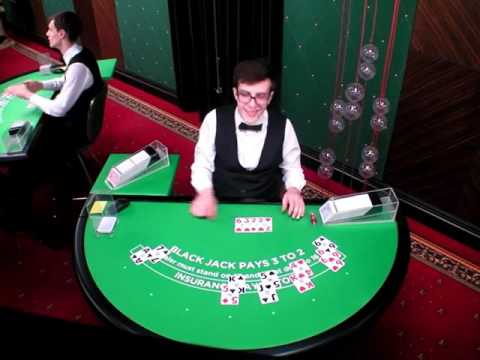
Streaming live dealers in real time collapses the distance between a digital screen and the casino floor, offering you the authentic real-time casino interaction from your couch. You watch a human shuffle cards or spin a roulette wheel via HD video, then place your bets through an on-screen interface. Unlike RNG-based games, this experience hinges on actual physical actions—you see the exact moment the blackjack card lands or the ball drops, creating a palpable tension. Chat features let you engage directly with the dealer, replicating the social banter of a land-based table without the travel or dress code.
| Aspect | Live Dealer Edge | Land-Based Limitation |
|---|---|---|
| Pace control | Adjustable wait time between rounds | Fixed dealer tempo |
| Table access | Instant seat at any game | Waitlists or full tables |
| Visual proof | Real-time camera feed of every action | Relies on trust in staff |
Mobile App Wagering and Instant Play Convenience
Mobile app wagering erases the physical boundary of a casino floor, letting you place bets from any location with an internet connection. The instant-play convenience eliminates download delays, as browser-based platforms load directly without cluttering device storage. This allows rapid switching between blackjack tables or slot titles using a single finger tap. Wager management becomes fluid; you can deposit funds mid-session or cash out winnings immediately, bypassing the queue at a land-based cage. The tactile feedback of a smartphone screen replaces chip handling, making every bet feel immediate yet detached from the venue’s atmosphere.
Mobile app wagering redefines casino access by offering instant-play convenience, transforming any smartphone into a portable, always-on betting terminal.
Bonuses, Loyalty Programs, and Wagering Requirements
Online platforms hook players with loyalty programs and wagering requirements that land-based venues cannot match. A welcome bonus might double your deposit, but that $100 free play often carries a 35x wagering requirement—you must bet $3,500 before cashing out. Loyalty tiers reward frequent digital play with cashback or free spins, while casinos on the Strip might only comp a buffet after hours of play. Q: Do wagering requirements apply to loyalty rewards too? Yes, most loyalty bonuses—like free chips or reload offers—still need to be wagered multiple times before withdrawal.
Betting on Sports as a Related Activity
When you’re deep into casino gambling, betting on sports often feels like a natural next move. You already understand odds, risk, and the rush of a live wager. Many casino platforms now offer integrated sportsbooks, letting you jump from a blackjack table to a football moneyline without switching apps. It’s a way to stretch action beyond the spin of a wheel, but the win-loss rhythm is slower and more narrative-driven. You’re not just matching numbers; you’re reacting to real-time game flow, which demands a different kind of focus. The bankroll management you learn at the craps table translates directly, though the emotional swings hinge on final scores rather than a single card draw.
Spread Betting, Moneyline, and Over/Under Markets
Within casino-adjacent sports betting, the **Spread Betting, Moneyline, and Over/Under Markets** form the core trio of wagering options. Spread betting levels the field by assigning a point handicap, requiring the favorite to win by a specific margin. The Moneyline offers a straightforward pick on which side will win outright, with odds reflecting perceived probability. Over/Under markets bypass the outcome entirely, focusing solely on the total combined score of both teams. Each market shifts risk differently: the spread demands precise margin calculations, the moneyline tests pure winner prediction, and over/under requires analysis of offensive and defensive pacing.
| Market | Key Focus | Risk Factor |
|---|---|---|
| Spread | Point margin differential | Exact victory gap |
| Moneyline | Outright winner | Odds skew/upset |
| Over/Under | Total combined points | Game tempo variance |
In-Play Wagering and Live Odds Fluctuation
In-play wagering transforms sports betting into a dynamic, real-time exchange, where live odds fluctuate with every pass, shot, or foul. Unlike pre-game lines, these odds shift instantly based on game momentum, forcing you to read the flow and act decisively. Live odds fluctuation offers opportunities to lock in value, such as backing a strong team after a slow start or fading a favorite after a quick lead. Mastering this requires reading the game faster than the algorithm adjusts the numbers. Success hinges on split-second judgment, not luck.
In-play wagering and live odds fluctuation demand constant attention—abrupt line shifts reward bold, informed decisions but punish hesitation.
Parlay Bets: High Risk, High Reward Combinations
A parlay bet merges multiple wagers into a single ticket, offering exponentially higher payouts than individual bets. The catch is that every selection must win; a single loss voids the entire slip. This is a high-risk, high-reward strategy often used to multiply small stakes into significant sums. For example, combining four point spreads can turn a $10 bet into several hundred dollars. However, the cumulative odds are deceptive, as true probability drops with each added leg.
- Each additional leg dramatically decreases your win probability compared to individual bets.
- Parlays are best reserved for small, speculative stakes you can afford to lose.
- Boosting a parlay with correlated outcomes (e.g., a strong running team and the under) slightly improves your edge.
Responsible Engagement and Harm Minimization
Responsible engagement means treating casino gambling as a paid entertainment expense, not a way to make money. Harm minimization starts by setting a strict loss limit before you start playing and never bringing a bank card or ATM access inside. Time limits are equally critical—use a phone alarm to force a break after 30 minutes. Never chase losses by betting more to recover them, as this is the fastest path to harm. If you feel frustrated or desperate, walk away immediately. Taking regular breaks and avoiding alcohol while gambling keeps decision-making clear. Recognizing that the house always has an edge allows you to engage without expecting to win. The goal is to enjoy the experience without letting it damage your finances or relationships.
Self-Exclusion Tools and Time-Out Features
Self-exclusion tools allow you to voluntarily ban yourself from a casino platform for a set period, from weeks to years, making it impossible to log in or deposit funds. Time-out features offer a shorter, cooler break, typically lasting 24 hours to a few weeks, letting you step back without a full ban. Activating either tool immediately halts all marketing communications, removing the triggers that fuel impulsive play. By using these controls proactively, you regain authority over your gambling schedule, preventing a single session from escalating into harmful, unplanned losses. They are direct, user-activated safeguards for maintaining control.
Recognizing Problematic Patterns in Wagering Behavior
Recognizing problematic patterns in wagering behavior begins with tracking the emotional shift from excitement to compulsion. Key red flags include chasing losses—betting more to recover money—and losing track of time or money spent. If you notice secretive betting, borrowing funds, or irritability when reducing play, these are critical signs. Early detection of wagering triggers allows you to pause before the cycle deepens. Frequent self-check-ins on mood and bankroll can reveal whether you are playing for recreation or out of obligation.
When the thrill of the bet becomes a compulsion to recover, you have crossed into a problematic pattern that demands immediate pause.
Resources for Support and Financial Counseling
If casino gambling starts feeling less like fun and more like a problem, you have direct, free ways to hit pause. For immediate, confidential help, dial the National Problem Gambling Helpline (1-800-GAMBLER), which connects you to trained counselors 24/7. For sorting out money worries, reach a nonprofit like the Financial Counseling Association of America to set up a debt management plan. Here is a simple step-by-step path for responsible financial recovery:
- Call the helpline to get a self-exclusion referral for local casinos.
- Book a free session with a credit counselor to review your bets and bills.
- Use a budgeting app or spreadsheet to track every dollar spent on gambling versus essentials.
These resources are built to help you regain control without judgment, focusing solely on your well-being and wallet.
Advanced Betting Techniques and Mythbusting
Many players chase advanced betting techniques like the Martingale or Fibonacci, thinking they can outsmart the house edge on even-money bets. In reality, no progression system overcomes the table limits or your bankroll’s finite nature—a losing streak of seven or eight hands wipes you out. The real myth is that «hot» machines or tables are due to payout; each spin or hand is independent. True mythbusting in casino gambling means accepting that patterns are random and no system turns a negative-expectation game into a winner. Stick to flat betting for better longevity, and remember that discipline, not a secret formula, is your only edge.
Martingale and Fibonacci Systems Explained
The Martingale and Fibonacci systems are progression-based betting strategies that aim to recoup losses through sequence-driven wagers. The Martingale doubles your bet after every loss, targeting a single win to recover all previous losses and gain a small profit, but it requires a large bankroll and risks hitting table limits. The Fibonacci system follows the mathematical sequence (1,1,2,3,5,8…), moving one step forward after a loss and two steps back after a win, offering a slower progression than the Martingale. Both systems rely on even-money bets in roulette but fail to overcome the house edge, as long losing streaks can quickly escalate bet sizes beyond practical limits. They are structured risk-management tools, not guaranteed profit methods.
- Martingale doubles bets after losses, requiring deep bankrolls.
- Fibonacci uses a sequenced progression, advancing after losses and retreating after wins.
- Neither system beats the house edge; both are vulnerable to table limits and long streaks.
- They work best on even-money bets like red/black or odd/even in roulette.
Card Counting Realities in Modern Blackjack
Card counting in modern blackjack retains theoretical value but faces practical barriers. Casinos now deploy continuous shuffling machines (CSMs) and automatic shufflers that negate the advantage gained from tracking depleted decks. Even with hand-shuffled shoes, pit bosses actively monitor betting spreads, as a player deploying a high-low count must shift units dramatically. The sequence for executing a count typically follows:
- Assigning a value (+1, 0, -1) to each card seen.
- Maintaining the running count throughout the shoe.
- Converting it to a true count by dividing by remaining decks.
- Adjusting bets only when the true count yields a positive expectation.
This process requires near-perfect execution under scrutiny, making success a blend of math and evasion rather than a guaranteed edge.
Why Dice Control Is Highly Unlikely to Work
Let’s be real about why dice control is highly unlikely to work in a casino. The physics are brutal: the dice must hit the back wall, which randomizes their bounce. Even if you practice a perfect throw at home, the table’s felt, the pyramid rubber, and the dealer’s stick all disrupt your grip. Casinos also swap dice frequently, and the surface is never identical. The result is true randomness over any meaningful sample. For the average player, it’s a fun fantasy, but the house edge remains untouched.
- The back wall rule destroys any consistent trajectory.
- Table surfaces and dice vary from pit to pit.
- Casinos change dice to prevent wear patterns.
Cultural and Historical Perspectives
Casino gambling is a mirror reflecting deep cultural and historical shifts. From ancient Chinese tiles to European roulette wheels, gambling traditions evolved as social rituals, not just games. In Monte Carlo’s 19th-century Belle Époque, casinos became stages for aristocratic spectacle, reinventing vice as sophisticated entertainment. In Macau, the fusion of Portuguese colonial architecture and Cantonese gambling customs created a unique cultural hybrid, where baccarat tables echo feng shui principles. Indigenous communities worldwide once used dice games in spiritual ceremonies, while Las Vegas’s neon mythology rebranded risk-taking as American frontier spirit. Understanding these roots changes how a player sees the felt: every card and chip carries centuries of human storytelling about luck, status, and defiance of fate.
Origins of Dice and Card Games Across Civilizations
Dice games, among the earliest forms of gambling, trace back to ancient Mesopotamia and Egypt where knucklebones and carved cubes determined outcomes. Card games emerged in Tang Dynasty China, with paper money influencing early playing cards. These spread via trade routes, evolving into European games like baccarat. This cross-cultural evolution directly underpins modern casino staples like craps and poker, establishing the random chance and structured play central to casino gambling today.
Evolution of the Modern Resort and Entertainment Complex
The modern resort and entertainment complex evolved from standalone gambling halls into immersive destinations. The pivotal shift began when Las Vegas operators realized that casinos alone could not sustain long-term appeal. To compete, they integrated themed environments, luxury hotels, and continuous live performances. This progression typically followed a clear sequence:
- First, casinos added elaborate shows and restaurants to attract non-gamblers.
- Next, developers introduced expansive pools, shopping arcades, and convention spaces.
- Finally, resorts built complete indoor theme parks and high-end nightclubs, making the casino just one component of a total entertainment ecosystem.
This transformation changed gambling from a transactional activity into a peripheral option within a larger vacation experience, prioritizing spectacle and comfort over the gambling floor alone.
Famous High Rollers and Legendary Wins
The history of casino gambling is punctuated by legendary high roller wins that captivate the public imagination. Kerry Packer famously won an estimated $20–40 million at the Las Vegas Hilton in a single weekend, while Australian businessman Archie Karas turned $50 into $40 million during a legendary two-year baccarat and poker streak. Don Johnson negotiated favorable blackjack rules, systematically winning over $15 million from Atlantic City casinos. These legendary wins often relied on deep game knowledge, bankroll discipline, and exploiting subtle statistical edges, not luck alone.
- Kerry Packer’s $20–40 million Las Vegas baccarat run in the 1990s
- Archie Karas’ “Karas’ Streak” of $50 to $40 million over 1993–1995
- Don Johnson’s $15 million blackjack win through elite rule negotiation
Maximizing Comp Points and VIP Perks
To truly maximize comp points and VIP perks, treat your player’s card as non-negotiable. Always insert it before every hand or spin, and concentrate play at one casino chain to accelerate tier status. Maximizing comp points isn’t just about volume—casinos weigh average bet and time played, so maintain steady, moderate wagers during longer sessions rather than short, high-stakes bursts. Request comps directly at the slot booth or pit, never at checkout, and use points for free play or dining to preserve cash. For elite treatment, cultivate a relationship with a host; they can unlock exclusive VIP perks like suite upgrades, show tickets, and line passes that aren’t advertised. Always track your offers online—betting a few extra hours before a trip can boost your mailer significantly.
How Player Ratings Translate to Freebies
Your player rating directly dictates the value of your freebies. Casinos track your average bet, time played, and game volatility to calculate your theoretical loss. This comp calculation formula determines what you receive. Higher ratings unlock tiered rewards in a clear sequence:
- Start with free slot-play and match-play coupons.
- Progress to luxury dining credits and show tickets.
- Top ratings secure complimentary suite upgrades and cash-back offers.
To maximize these casinous freebies, always play rated with your players card; every hour of logged play and every increased wager translates into higher future comps without extra cost to you.
Negotiating Room Upgrades and Show Tickets
Your comp points are your lever, but negotiating room upgrades and show tickets requires perfect timing. Don’t ask at check-in; play heavily at a single casino for two days, then hit the host office. Lead with your average bet and hours played—not your losses. For tickets, request «floating» vouchers for sold-out shows rather than specific dates; hosts can unlock VIP seats. Always ask if suite upgrades or dinner packages are available, even if not advertised.
| Aspect | Room Upgrade | Show Ticket |
|---|---|---|
| Best Timing | After 4+ hours of play | Before daily hold list prints |
| Key Leverage | Coin-in amount & length of stay | Current tier level & future trip plans |
| Red Flag | Asking before sitting at tables | Demanding premium seats with low avg bet |
Comparing Tier Systems Across Major Operators
When comparing tier systems across major operators, focus on the speed of point accumulation and expiration policies. Caesars Rewards offers daily tier credits, while MGM Rewards allows faster status via hotel spend. Players should prioritize operators where charged play (slots) earns more than resolved wagers (table games). A solid strategy is to hold multiple low-tier cards rather than splitting play, as this dilutes comp calendars. Q: Which operator’s tier system offers the best point-to-value ratio for slot players? A: Typically, MGM Rewards provides higher base point earnings on slots, but Caesars gives stronger backend comps for consistent tier status.
Risk Assessment for Specific Bet Types
When assessing risk for specific bet types, the house edge is your primary metric. In roulette, a straight-up single-number bet carries high variance with a 1/37 probability, but the risk is quantifiable; the bettor’s chance of ruin increases exponentially with progressive betting systems on such low-probability outcomes. For craps, the Pass Line bet offers a low 1.41% house edge, making it a lower-risk wager compared to a Hard Way bet, which has a significantly higher edge and volatility. In blackjack, side bets like Perfect Pairs often carry a house edge above 10%, requiring you to assess their risk relative to your bankroll’s lifespan. Evaluate each bet’s standard deviation to align with your personal risk tolerance.
Inside Versus Outside Bets on the Roulette Layout
On the roulette layout, the core risk decision splits between inside versus outside bets. Inside bets target specific numbers or small clusters, offering towering payouts but abysmal hit rates—a single number wins only 2.7% of the time on a single-zero wheel. Outside bets, like red/black or odd/even, cover nearly half the layout, trading massive odds for near-50% win chances. This trade-off defines your session: inside bets create volatile, high-stakes action where bankrolls evaporate fast, while outside bets grind slower, preserving capital but never producing life-changing wins. Your choice directly dictates survival time at the table.
Even-Money Propositions and Their True House Edge
Even-money propositions, like the Red/Black bet in roulette or the Banker bet in baccarat, appear deceptively fair but carry a true house edge. In single-zero roulette, this edge is 2.7%, stemming from the zero pocket. For double-zero roulette, it doubles to 5.26% due to the extra green slot. Baccarat’s Banker bet, despite its near 50% win rate, subtracts a 5% commission, yielding a house edge of 1.06%. A bettor must recognize that these payouts do not reflect true odds; the house’s mathematical advantage is embedded in the zero’s presence or the commission structure. This makes the house edge on even-money bets subtle but persistent, eroding bankrolls over time.
Side Bets in Blackjack: Tempting but Costly
Side bets in blackjack, such as Perfect Pairs or 21+3, offer flashy payouts but carry a steep price. Their house edge often exceeds 10%, compared to under 1% for the main game, making them tempting but costly diversions. While a $5 side bet can win $25 for a mixed pair, the odds are stacked against you, eroding bankrolls faster than standard play. Risk assessment shows these bets rely on rare outcomes, not skill, and frequent losses quickly outweigh occasional wins. Why do casinos promote side bets so heavily? They ensure a higher profit margin per hand, exploiting players’ desire for quick excitement over strategic advantage. Avoid them if consistent returns matter more than fleeting thrills.
Future Trends in the Wagering Landscape
The future wagering landscape is being reshaped by immersive, skill-blended experiences that move beyond pure chance. Expect live dealer tables to evolve into fully interactive virtual arenas, where players use haptic feedback and VR headsets to physically “place” chips on a holographic layout. A key shift involves wagering on your own gameplay performance—betting on your blackjack hand count or your poker bluff success rate.
This turns the casino floor into a personal arena where strategy directly influences your payout odds, not just the house edge.
Predictive AI will also customize side bets in real-time, suggesting wagers based on your playing history and current emotional state, making every hand feel uniquely tailored to you.
Cryptocurrency Integration and Blockchain Fairness
Cryptocurrency integration allows instant, pseudonymous deposits and withdrawals, bypassing traditional banking delays. Blockchain fairness is achieved through provably verifiable randomness, where players can independently audit each bet’s outcome using hashed seeds. This eliminates reliance on opaque RNGs, fostering trust. However, volatility remains a practical risk for wagering balances. Smart contracts automate payouts without manual approval, reducing dispute potential. Does blockchain fairness eliminate house manipulation? Yes, because the cryptographic proof codes each result before the bet, making it impossible for the casino to alter outcomes post-hoc. This transparency shifts power to the user, redefining equity in digital gambling.
Virtual Reality Gambling Environments Emerging
Stepping into a virtual reality casino, you’ll find yourself walking past slot machines and interactive live-dealer tables that feel remarkably real. Using a headset and controllers, you can pick up chips, pull a lever, or chat with avatars of other players. The environment mimics the sensory buzz of a physical floor, from ambient sounds to realistic card shuffles. You can even customize your avatar’s outfit or choose a themed room, like a neon-tinted Tokyo arcade or a classic Monte Carlo salon. These spaces let you play blackjack, roulette, or poker from your living room while still feeling like you’re part of a lively crowd.
Virtual reality gambling environments create immersive, social casino floors where you can physically interact with games and other players from your own home.
Regulatory Shifts and Market Expansion Globally
As regulatory shifts decriminalize online casino gambling in emerging economies, global market expansion grants users access to previously restricted platforms, but localized compliance mandates now dictate which payment methods and game libraries are available per jurisdiction. Traveling gamblers must verify that their preferred casino holds a valid license for their current location, as cross-border play is frequently blocked by geofencing.
Regulatory shifts are fragmenting the global wagering landscape, forcing users to adapt to jurisdiction-specific rules that control account access and transaction options.