
Understanding the psychological triggers behind gambling behavior
The Nature of Gambling and Its Appeal
Gambling has fascinated humans for centuries, often drawing individuals into a world of risk and reward. At its core, the allure of gambling lies in the potential for a significant win, which can produce euphoric feelings. This thrill activates the brain’s reward system, releasing dopamine, a neurotransmitter associated with pleasure. As players experience wins, even small ones, they are more likely to continue gambling, driven by the hope of replicating that initial high. For instance, Royal Reels offers a premier gaming experience that encapsulates this thrilling journey.
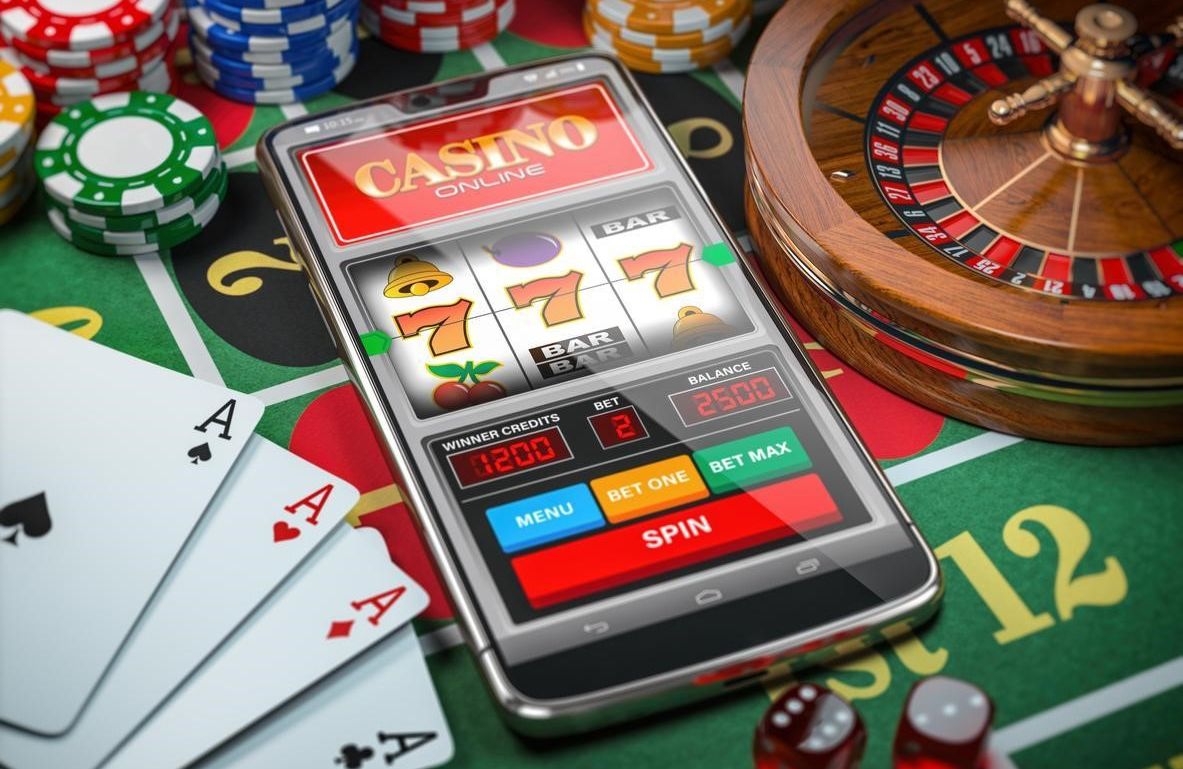
The excitement associated with gambling can also stem from its inherent unpredictability. Unlike many activities where outcomes are predetermined, gambling offers an element of chance that can be intoxicating. This unpredictability can lead individuals to develop a false sense of control, believing they can influence outcomes through strategies or patterns. This illusion reinforces their engagement, making it difficult to resist the call of the next bet.
Additionally, cultural factors play a significant role in the perception of gambling. In many societies, gambling is viewed as a thrilling pastime or even a rite of passage. Celebrity gamblers often amplify this perception by publicly sharing their lavish lifestyles and big wins, further encouraging others to try their luck. This glamorization can lead to a normalization of gambling behavior, enticing more individuals to participate without fully understanding the associated risks.
The psychological triggers behind gambling behavior are deeply rooted in the concepts of risk and reward. When individuals gamble, they encounter various levels of risk, and the potential for reward can evoke strong emotions. The highs of winning can lead to an adrenaline rush, motivating players to chase that feeling repeatedly. This cycle of seeking pleasure through risky behavior can develop into a compulsion, where the individual feels an uncontrollable urge to gamble, regardless of the consequences.
Moreover, cognitive biases such as the «gambler’s fallacy» can distort a person’s understanding of probability. Many gamblers believe that past outcomes affect future results, leading them to make illogical bets based on trends that do not exist. This faulty reasoning can keep players engaged longer than they should be, as they hope for favorable outcomes based on misconceptions rather than statistical reality. Consequently, this misunderstanding can amplify their gambling behavior.
Another critical psychological aspect is the sense of community that gambling can foster. Many individuals enjoy the social interactions that come with visiting casinos or engaging in online gambling platforms. This communal aspect can create a sense of belonging, which may lead to individuals gambling more frequently. They may become invested in group outcomes or shared experiences, further reinforcing their gambling habits and contributing to a cycle of behavior that is difficult to break.
Emotional factors significantly influence gambling behavior, often acting as catalysts for individuals to seek escapism. Many people turn to gambling as a way to cope with stress, anxiety, or depression. The act of placing a bet can provide temporary relief from emotional pain, as it diverts focus from personal struggles to the thrill of the game. Unfortunately, this escapism can lead to a dangerous cycle where gambling is used as a coping mechanism, exacerbating emotional issues in the long run.
Feelings of loneliness can also trigger increased gambling behaviors. Individuals seeking connection or belonging may turn to gambling environments where they can interact with others, albeit in a transactional manner. This drive for social interaction can lead to a reinforcement of gambling habits, as the player feels more inclined to return for social reasons even if it means risking their financial stability. The camaraderie experienced in these settings can mask the underlying emotional turmoil that leads them to gamble in the first place.
Additionally, emotional arousal can play a critical role in gambling decisions. High-stakes scenarios often evoke strong emotional reactions, which can cloud judgment and lead to impulsive decisions. Players may wager more than they typically would when feeling particularly excited or distressed, demonstrating how emotional states can directly impact betting behavior. Recognizing these emotional triggers is essential for understanding and addressing problematic gambling habits.
Celebrities have a substantial influence on public perceptions of gambling, often glamorizing the lifestyle associated with high-stakes betting. Their endorsements and public displays of wealth can lead fans to believe that gambling is a straightforward path to financial success. This perception can entice individuals to engage in gambling, hoping to emulate their favorite stars without fully understanding the inherent risks involved. Such influence can normalize excessive gambling behavior, particularly among impressionable audiences.
The relationship between celebrities and gambling extends beyond mere promotion; it also shapes societal norms. When public figures openly discuss their gambling experiences, whether wins or losses, it can create a false narrative that everyone can win. This sentiment can embolden amateur gamblers, who may overlook the potential dangers of addiction and financial loss in favor of chasing the thrill of a big win. Consequently, this celebrity-driven narrative can contribute to a culture that downplays the seriousness of gambling addiction.
Furthermore, social media has amplified celebrity influence, allowing followers to witness gambling behavior in real time. High-profile gamblers share their experiences, creating an illusion of accessible success. This digital landscape encourages followers to participate in gambling activities, often underestimating the associated risks. As celebrities continue to shape perceptions of gambling, it becomes vital for individuals to critically evaluate the messages they receive and make informed decisions about their gambling habits.

Royal Reels Casino is committed to promoting responsible gambling among its players. As a premier gaming platform tailored for Australian users, it offers an engaging environment while prioritizing the safety and well-being of its players. With over 2,400 slot games and 210 table games, the casino provides a diverse gaming experience, but it also emphasizes the importance of responsible gambling measures. By incorporating educational resources and guidelines, Royal Reels Casino aims to ensure that players gamble responsibly.
The platform also features comprehensive support for players who may be struggling with gambling-related issues. Royal Reels Casino encourages players to set limits on their deposits and wagers, helping them maintain control over their gambling activities. Additionally, they provide access to customer support 24/7, ensuring that assistance is readily available for those seeking help. By fostering a safe and responsible gaming environment, Royal Reels Casino aims to protect its players and promote healthy gambling practices.
Furthermore, Royal Reels Casino supports local payment methods and fast withdrawals, ensuring a secure transaction process. This focus on player safety extends to its comprehensive measures against problem gambling, reinforcing the importance of creating a balanced and enjoyable gaming experience. In doing so, Royal Reels Casino exemplifies its dedication to creating a responsible gambling atmosphere while delivering an exciting and diverse gaming experience for its players.
«`
Dejar un comentario
¿Quieres unirte a la conversación?Siéntete libre de contribuir!