
Exploring cultural perspectives on gambling habits worldwide
The Historical Context of Gambling
Gambling has a rich and varied history that spans thousands of years and numerous cultures. From ancient civilizations using dice made from animal bones to the elaborate gaming houses of the 17th century, gambling reflects societal norms and values. In many cultures, games of chance were not merely for entertainment; they were often intertwined with religious and social practices, signifying luck or fate.

Throughout history, different civilizations have developed unique gambling customs. For instance, in China, the game of Pai Gow has roots that go back to the Song Dynasty, while in Europe, the emergence of modern casinos in Italy during the Renaissance marked a shift toward structured gambling environments. Understanding these historical contexts provides insight into why certain gambling behaviors are prevalent in specific cultures today.
Cultural Attitudes Towards Gambling
Cultural attitudes towards gambling can vary significantly across countries and communities. In some cultures, gambling is seen as a common pastime and a form of social engagement, while in others, it may carry negative connotations and be viewed as a vice. For example, in many parts of the United States, gambling is widely accepted, with numerous states legalizing various forms of it, from lotteries to casinos.
Conversely, in certain regions of the Middle East, gambling is prohibited due to religious beliefs. These cultural perspectives shape how individuals engage with gambling, influencing everything from frequency of participation to the types of games played. Understanding these attitudes helps in recognizing the diverse landscape of global gambling habits.
The Impact of Legislation on Gambling Practices
Legislation plays a crucial role in shaping gambling habits across different cultures. In countries where gambling is heavily regulated, such as Singapore and Australia, there are strict guidelines that govern the operations of casinos and online gambling platforms. This regulation often aims to protect consumers, ensure fair play, and prevent gambling addiction.
In contrast, in regions with lax regulations or where gambling is completely illegal, such as certain areas in the United States and several Asian countries, underground gambling operations may thrive. These legal frameworks not only affect how gambling is conducted but also influence public perception and social acceptance of gambling practices within those cultures.
The Role of Technology in Modern Gambling
The advent of technology has transformed gambling habits worldwide, introducing new platforms and accessibility that were previously unimaginable. Online casinos and mobile gaming have made gambling more accessible, allowing individuals to engage from the comfort of their homes or on the go. This shift has led to changes in how games are played and who participates in gambling activities.
Moreover, technology has allowed for the integration of social elements into gaming, such as live dealer games that mimic the experience of being in a physical casino. This innovation caters to a broader audience, including younger generations who seek interactive and immersive experiences. As technology continues to evolve, so too will the cultural landscape of gambling.
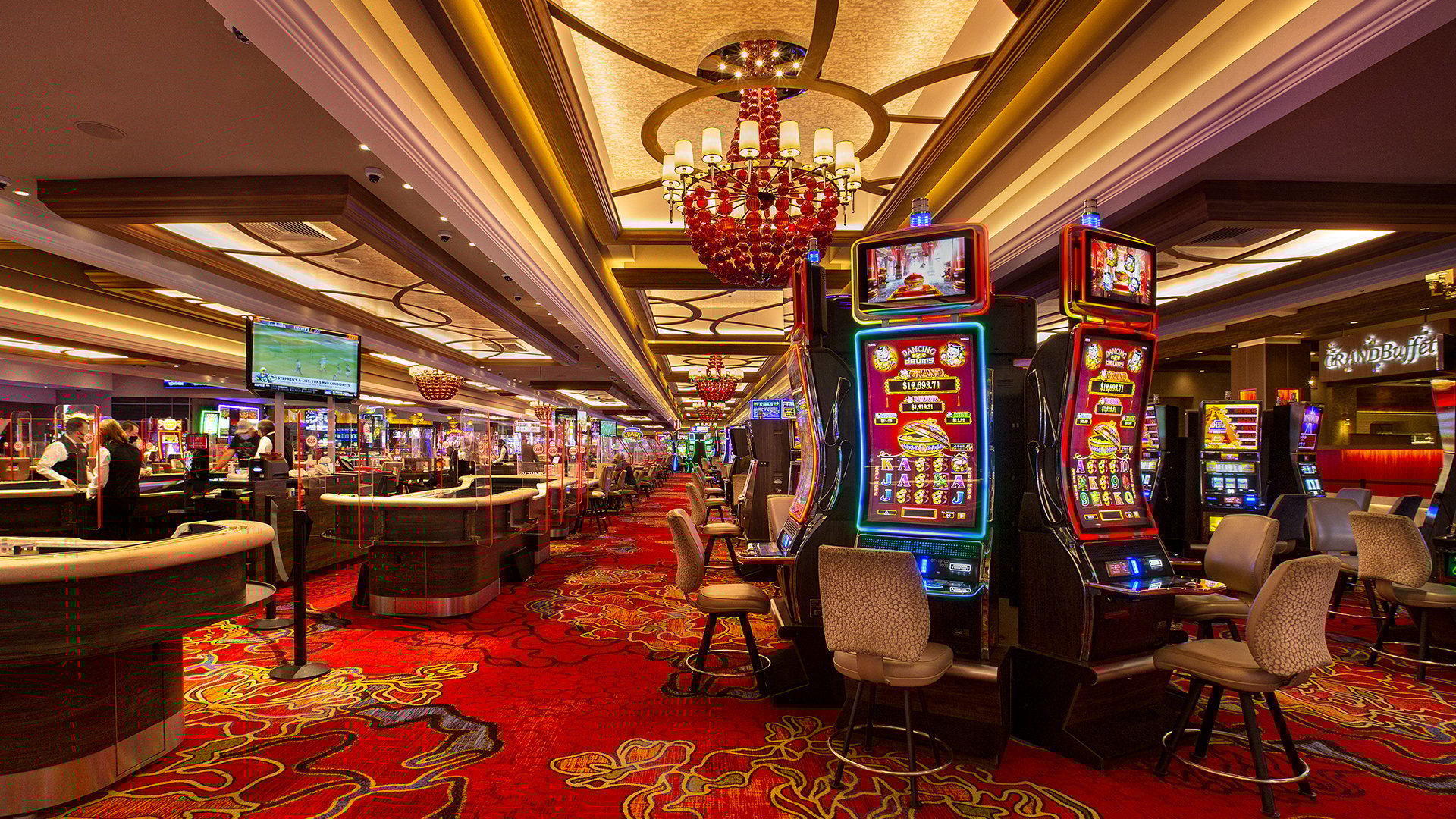
Lucky Fox Casino: A Global Gaming Experience
Lucky Fox Casino stands out as a premier online gaming platform that appeals to a diverse audience, particularly within Australia. By offering a wide selection of real money games—from pokies to table games—Lucky Fox caters to various tastes and preferences, ensuring that every player finds something enjoyable. In fact, the engaging environment of Lucky Fox Casino reflects global standards of fairness and transparency.
The platform emphasizes a secure and engaging environment, reflecting global standards of fairness and transparency. Additionally, with its focus on community events and rapid payouts, Lucky Fox Casino embodies the evolving nature of gambling, making it a fitting representation of contemporary gambling habits in a digital age.
Dejar un comentario
¿Quieres unirte a la conversación?Siéntete libre de contribuir!