People nowadays not only focus on building muscles but also on achieving complete well-being. They are looking for solutions that combine physical, mental, and emotional health. To fulfill this demand, gyms are introducing meditation zones, recovery rooms, and nutrition guidance, while brands promote products that support balance, not just performance. The future of the fitness industry lies in predictive performance analytics that read members’ behavior, recovery patterns, and biometric signals to offer guidance before users even realize they need help.
- Wearable devices have significantly influenced the tracking and assessment of personal fitness.
- The rising popularity of Pickleball, clubs and leagues involving less strenuous activities are examples of this trend.
- This way, your member workouts do not have to be isolated to a single session or location.
- The future of fitness will belong to brands that treat modernization as an investment in digital value creation.
- Smart fitness devices include items like—Peloton, Tonal, and Mirror—provide a guided workout routine, track your progress, and have integrated wearable technology smart watch capabilities.
- The corporate fitness market is expanding rapidly, offering subsidized gym memberships to in-office fitness spaces and digital wellness challenges.
Conclusion: How Gyms, Brands, and Wholesalers Can Future-Proof Their Business
In this environment, digital modernization isn’t optional – it’s the baseline for relevance, and it isn’t about buying the latest app or adding a new gadget. It’s about building connected digital ecosystems that make fitness more engaging, more personal, and more valuable – not just inside the gym, but everywhere your members are. For certain member segments, especially younger or tech-curious users, VR lowers the barrier to entry by making exercise feel more free fitness apps like play than training. This category is defined by headset-led experiences, not screens or apps layered onto real-world training. These tools also strengthen the bridge between “have-to” training and lifestyle activity. Your members can log outdoor runs, group training classes, and recovery across environments.
Key Innovations in Smart Gym Equipment
The report, based on a survey of 2,000 clinicians, researchers and exercise professionals in the fitness industry, was published today in the November/December issue of ACSM’s Health & Fitness Journal®. Beyond fitness, AI is shaping nutrition, mental health, and overall wellness through personalized coaching and habit tracking. Sustainability in fitness means using eco-friendly practices in gyms, fitness products, and workout routines to reduce environmental impact. This includes adapting to sustainable gym equipment (like yoga mats, bamboo gear, and recycled plastic weights) and choosing eco-friendly gym wear.
About ACSM

The focus has shifted toward training that supports real-life movement, balance, mobility, and strength. Functional fitness equipment like kettlebells, resistance systems, and suspension trainers is increasingly in demand by both home users and gyms seeking versatile solutions. The health and fitness landscape is changing at breakneck speeds as next-gen technologies redefine the way we pursue workouts and care services. It ranges from AI-powered training and virtual fitness to tele-rehab and health bands; technologies are redefining how humans engage with health and exercise.
The Evolution of Wearable Fitness Devices
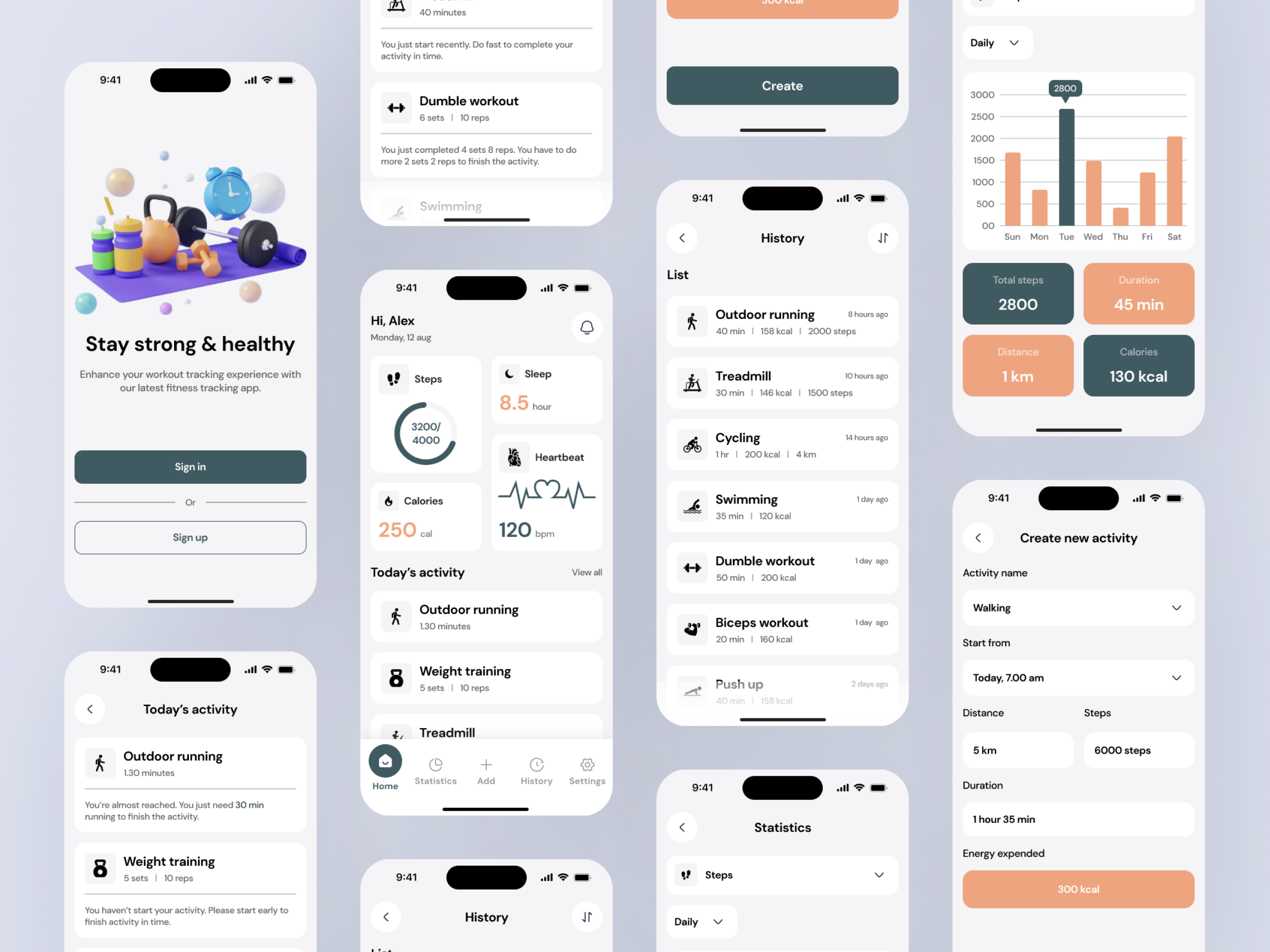
Popular group fitness formats include HIIT-based group sessions, rhythm-based workouts, and community-focused boutique studio experiences that boost engagement and retention. Wearable devices have significantly influenced the tracking and assessment of personal fitness. Devices such as fitness bands, smart watches, and biometric patches allow real time health tracking including heart rate variability (HRV) and energy levels. But collecting meaningful, consistent data to be able to offer real personalization is difficult. It requires members to opt in, systems to integrate, and insights to be applied in real time.
Smart Fitness Technology: How AI, Wearables, and Data Are Transforming Workouts
With this, gyms, trainers, and retailers can move from simply serving customers to anticipating their needs. You won’t sell products or memberships; you will deliver personalized experiences that keep people healthier, happier, and more loyal. They analyze real-time metrics, such as those that enable gyms to forecast attendance, identify churn risks, and recommend new gear purchases based on user performance.
Hybrid Fitness Model: Online, Offline, and On-Demand Training Integration
Studios that embrace this shift won’t just keep up—they’ll set the pace for a new era of data-driven fitness. New to the top 20 in 2026, this trend reflects growing interest in activities that combine fitness with fun, flexibility and social connection outside traditional gym settings. The rising popularity of Pickleball, clubs and leagues involving less strenuous activities are examples of this trend. Its highest position to date, the Exercise for Weight Management trend now includes increases in the use of obesity management medications such as GLP-1 RA. Obesity affects 42.4% of U.S. adults, while approximately 49% of those with obesity report actively trying to manage their weight. Done well, communities and unified experiences become powerful retention tools.
Why it Matters to Gyms
It’s important to get this right because 51% of consumers value personalized fitness experiences from providers. That’s not just convenient; it creates a sense of progress and continuity that keeps people coming back. The hybrid fitness model blends in-person gym training with digital platforms, apps, and on-demand classes. It allows members to switch seamlessly between online and offline workouts, offering flexibility and convenience.
Fitness Technologies that reshaping the Industry
Members can train in-club, follow the same plan at home, message a coach, log habits, and get reminders inside one continuous journey. A branded app strengthens this even more because the relationship stays with your facility, not a third-party platform. Gyms and studios that embrace sustainability are gaining a clear market advantage. From energy-efficient lighting and ventilation systems to low-impact flooring and recycled materials, eco-conscious design is not just about saving the planet; it’s about saving costs and attracting loyal members. For brands, gyms, and wholesalers, the challenge is clear — evolve with innovation or be left behind. Preventive care and remote care simplify care plans which reduces the cost of care access.
Trend #4: AI-powered Workout Personalization
Five years from now, the fundamentals of fitness will remain the same – people will still be running, lifting, and training. Software development is evolving at a pace that redefines efficiency, and AI-powered tools are reshaping what’s possible every week. Soon, members will take for granted that their activity, recovery, and nutrition insights are automatically gathered and integrated.